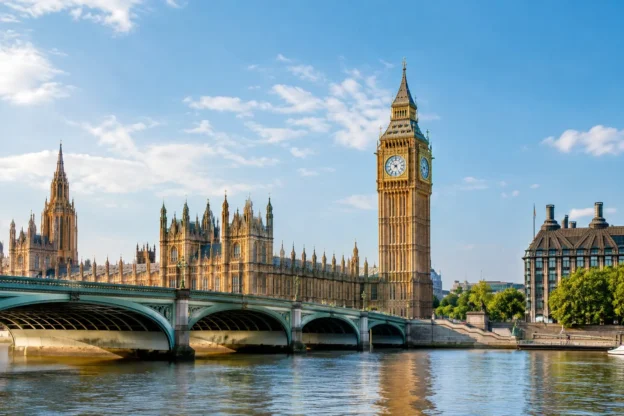
A photograph of Westminster is not interchangeable with a photograph of the London skyline. The angle, weather, surrounding streets, date and visible detail all affect whether an image works for a page, campaign or print. A UK landmark photo archive gives buyers a practical way to find recognisable places with the specificity that generic stock searches often miss.
For publishers, designers and marketing teams, landmark imagery does more than establish location. It can support a news feature, anchor a travel page, add credibility to a local campaign or create a strong focal point for wall art. The requirement is usually straightforward: find the right place, in the right visual treatment, with licensing that is clear and a purchase process that does not slow the job down.
What a UK Landmark Photo Archive Should Provide
A useful landmark archive is organised around how people actually search. Buyers may begin with a city, such as London, Edinburgh or Liverpool, but the final choice often depends on a more detailed subject: a particular bridge, palace, station, cathedral, historic street or coastal view. Galleries grouped by location and subject reduce the time spent working through loosely related results.
Coverage matters, but so does variety within the coverage. One image of a landmark is rarely enough for a working brief. A publisher may need a horizontal scene with room for copy, while a social campaign may need a vertical composition. A hospitality buyer could prefer a panoramic evening view, whereas an editorial feature may require a closer documentary image that shows people, transport or seasonal conditions.
The strongest collections also retain images that reflect different moments in a place. Morning light, rain, festive decorations, ceremonial activity and ordinary weekday movement create different uses for the same landmark. This is especially relevant for UK locations, where seasonal weather and public events can change the character of a scene considerably.
Choose the Image for Its Intended Use
Before searching, define where the photograph will appear. This prevents a familiar landmark from becoming a quick but unsuitable choice.
For editorial use, accuracy and context are often the priority. The image should clearly identify the subject and avoid visual details that conflict with the accompanying copy. If an article concerns a royal occasion, for example, an archive image showing the relevant setting, crowd atmosphere or ceremonial route may be more useful than a standard postcard view.
For commercial and promotional work, composition usually carries more weight. Consider whether there is clean space for a headline, whether the colour palette suits the existing design and whether the landmark is instantly recognisable at the size it will be used. A dramatic wide shot may look excellent on a website banner but lose impact in a small printed advert.
For wall art, visual longevity is the better test. A scene should reward repeated viewing, not simply identify a destination. Panoramas, architectural detail, changing skies and balanced cityscapes often work well in offices, hotels and homes. The right print is dependent on the space: a busy London street can bring energy to a reception area, while a quieter coastal landmark may better suit a guest room or meeting space.
Search by Place, Then Refine by Visual Need
A broad location search is a sensible starting point, but it should not be the final step. Once you have reached the relevant collection, refine the selection according to viewpoint, orientation, season and subject matter.
A landmark photographed from across the river has a different purpose from the same landmark photographed at street level. The first may establish a cityscape; the second may show scale, activity and access. Neither is automatically better. It depends on the story, layout and intended audience.
Look carefully at the margins of the frame. Photographs with open sky, water or uncluttered pavement can be easier to crop or place text over. Conversely, a tightly framed architectural study may be ideal when the landmark itself is the entire point of the image. Buyers should also check for contemporary elements such as temporary signage, roadworks, advertising boards and crowds. These details can add editorial value, but they can also date a picture or distract from the subject.
If a required file size is not immediately visible, ask before settling for a smaller version. Larger image sizes can make a material difference for print, large-format display and flexible cropping. Prestige Pictures provides larger image sizes on request at no extra cost, helping buyers keep the source image suitable for the finished application.
Licensing Should Be Clear Before You Buy
A good photograph is only useful when the proposed use is covered by the licence. Image buyers should establish whether the intended placement is editorial, promotional, commercial or decorative, then select the appropriate licence at the point of purchase.
Editorial use generally relates to publishing and factual content, including articles, news-related pages and educational material. Commercial use can involve advertising, company marketing, packaging or other activity that promotes a product, service or organisation. Wall art purchases have a separate purpose again: the image is being acquired as a finished print for display rather than as a file for publication.
Landmark imagery can involve additional considerations where recognisable people, private property, artwork, logos or event activity are visible. The practical answer is not to make assumptions based on the image subject alone. Check the licensing description and make sure it matches the actual use. A clear question before purchase is quicker and less costly than reworking a layout later.
The pay-per-image model is particularly useful when the brief is narrow. A team sourcing two photographs for a regional report does not necessarily benefit from a subscription built around high-volume downloads. Paying for the selected image keeps the process simple and allows buyers to choose the file that genuinely fits the job.
Landmark Images That Work Across Projects
Some subjects have broad practical value because they can serve both documentary and decorative requirements. London landmarks are an obvious example. Views of the Houses of Parliament, Tower Bridge, Buckingham Palace, St Paul’s Cathedral and the capital’s transport network can support travel features, business communications, educational material and interior displays.
Outside London, buyers can build visual identity around regional places. Historic centres, seaside piers, national parks, castles, cathedrals and industrial heritage each give a project a stronger sense of place than a generic scenic image. The key is to avoid treating every landmark as a tourist image. A photograph can be informative, atmospheric, current or quietly decorative depending on how it is framed and used.
Event-led imagery adds another layer. Royal occasions, sporting competitions, festive displays and public ceremonies may be valuable where timing is central to the story. These images are often most useful when the wider setting is visible, placing an event within a recognisable part of the UK rather than isolating it from its location.
Build a Faster, More Reliable Selection Process
For repeat buyers, a little discipline makes archive searching faster. Start with the required landmark and location, then note the orientation, likely crop, final output size and licence type before reviewing options. This creates a useful filter when several similar images appear suitable.
It is also worth considering how the photograph will sit alongside other visuals. A magazine spread may need a mixture of establishing views and close detail. A campaign may require consistent weather, colour and perspective across several assets. A wall art programme for multiple rooms may benefit from a common treatment, such as panoramic city scenes or a coordinated series of historic buildings.
Do not choose solely on thumbnail impact. Open the image, inspect fine detail and picture it at its final size. A composition that looks dramatic on screen may contain limited room for copy, while a quieter frame can become the more effective working asset. The best choice is the one that solves the actual brief with the least compromise.
A well-organised UK landmark photo archive is not just a source of familiar views. It is a working resource for finding place-specific images that publish cleanly, market effectively and look right on the wall. Start with the location, be exact about the use, and give the final composition as much attention as the landmark itself.