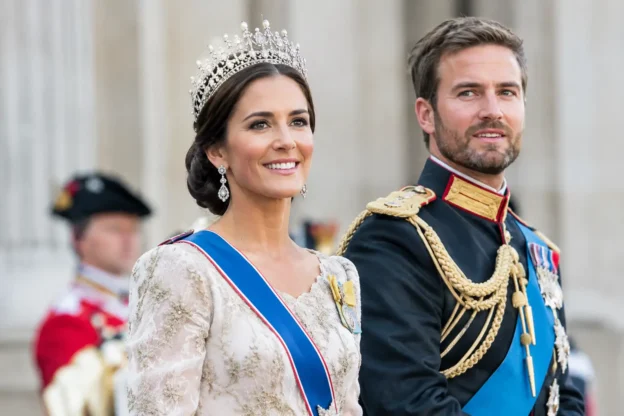
Royal events move quickly, access is restricted and public interest can peak within minutes. A reliable guide to sourcing royal event imagery therefore starts before the procession, service or engagement takes place. Buyers need photographs that are identifiable, accurately captioned, fit for the intended use and available at the resolution their layout requires.
For publishers, designers and marketers, the task is not simply finding a photograph of a member of the Royal Family. It is finding the right moment, location and context without creating licensing or accuracy problems later. A clear search process saves time when deadlines are tight.
Start with the event, not the individual
Searches based only on a royal name can return a wide mix of engagements, years and locations. Begin with the event itself: a state visit, Trooping the Colour, a garden party, a memorial service, a walkabout, a Christmas Day church service or an opening ceremony. Add the venue, town or borough where relevant.
This approach produces more useful results because the setting often carries the story. A wide image of crowds outside Buckingham Palace may be more suitable for a feature on a national occasion than a close portrait. For a local news page, the arrival at a particular cathedral, station or civic building may matter more than the principal guest.
Date is equally important. Royal wardrobes, vehicles, military uniforms, flags and accompanying family members can make older imagery look current at a glance. Check the capture date before selecting any image, especially where the story concerns a recent appearance, an anniversary or a change in royal role.
Build a practical search brief
Before opening an image library, write down the required event, people pictured, location, date range, orientation and intended placement. A picture desk preparing a homepage lead may need a landscape image with space for a headline. A magazine designer may need a vertical frame or a tightly composed portrait. A hospitality buyer choosing a print may instead prioritise a recognisable setting and visual balance.
Also decide whether the image needs to show the formal occasion or the atmosphere around it. Crowds, police lines, ceremonial horses, military bands, flags and decorated streets can provide valuable alternatives when a direct image of the royal principal is unavailable or not the best editorial choice.
Check captions as carefully as the photograph
An attractive image is not enough. Its caption should confirm who is visible, what is happening, where it was taken and when. This information supports accurate publication and helps distinguish near-identical engagements.
Look closely at group photographs. A caption that refers broadly to an event may not identify every person in the frame. If a campaign, article or caption specifically names an individual, make sure the visual identification is certain. This is particularly useful at arrivals and departures, where several guests, officials and members of the public may appear together.
Caption detail also affects search value. Images of a royal visit to a regional town are more reusable when the venue and occasion are recorded precisely. A photograph described only as a “royal visit” may be difficult to retrieve for a later feature about the location, organisation or anniversary.
For historic royal imagery, assess whether the caption reflects current terminology and titles. Archive material can remain highly valuable, but it should be presented with dates and context that do not confuse readers.
Understand editorial and commercial use
Royal event photography is commonly sourced for editorial use: news reporting, commentary, books, documentaries, educational material and factual features. The applicable licence should match the intended publication and circulation. Do not assume that an image suitable for an editorial article can automatically be used in advertising, product packaging or a paid social campaign.
The distinction matters because recognisable people, event branding, protected locations and third-party rights can affect commercial use. A marketing team may want to refer to an event in a broader brand campaign, while an editor may need the same subject for news coverage. These are different uses and should be checked separately before purchase.
For decorative use, a wall art print is a separate proposition from a digital publication licence. A framed image of a ceremonial London scene, royal landmark or pageantry detail may suit an office, hotel or home, but the print option and display purpose should be confirmed at the point of purchase.
If the intended use is unclear, resolve it before design work begins. Choosing an image first and seeking a different permission later can delay a launch and narrow the available options.
Assess image quality for the final format
A web thumbnail cannot tell you everything about a file. Check the available dimensions, crop flexibility and sharpness at the size needed for publication. A photograph that works well in a newsletter panel may not hold up across a double-page spread, exhibition panel or large wall print.
Larger files are especially useful where a designer needs to crop around a subject, leave clear space for copy or create several formats from one licensed image. Ask about larger image sizes early rather than treating file delivery as an afterthought. Prestige Pictures can provide larger sizes on request at no extra cost, which is useful where a standard preview does not reflect the final production requirement.
Composition should match the channel. Horizontal photographs often suit website banners, presentation slides and print spreads. Vertical images can be stronger for magazine covers, posters and social placements. A broad street scene may communicate scale, while a closer frame can better show ceremonial dress, expressions or a key exchange.
Do not over-crop the occasion
Close crops can be effective, but they can remove the evidence that makes an image useful. A royal figure against an indistinct background may be visually strong yet offer little sense of event, date or place. Where the story depends on ceremonial context, retain enough of the vehicle, crowd, building, military detail or signage to make the photograph credible and informative.
This is also a practical consideration for reuse. Images with a clear location or event setting are often more versatile across future editorial features than generic portraits.
Plan for speed without sacrificing accuracy
When an event is live, establish the approval route before images are selected. Decide who checks captions, who confirms licensing, who downloads the final file and who signs off page placement. A simple process avoids a designer using a preview or an outdated version while an editor is still comparing alternatives.
It is sensible to prepare two or three image options. Weather, late changes to an itinerary and publication layouts can alter what is needed at short notice. A wide scene, a detail image and a clear arrival or departure shot usually provide enough flexibility without creating unnecessary selection work.
For planned royal anniversaries and annual ceremonies, search in advance. Build a small reference set of relevant locations, past appearances and atmospheric supporting imagery. Then, when current coverage is required, the team can concentrate on the new material rather than starting from zero.
Source distinctive supporting imagery
Not every royal story needs a front-facing photograph of a royal principal. Supporting imagery can give a page greater depth and reduce reliance on the same heavily used visual angle. Consider exterior views of landmark venues, ceremonial preparations, crowds gathering, flags, transport, mounted police or military formations.
These images are particularly useful for explainers, travel-led features, historical pieces and content that needs a strong visual identity without implying an appearance that did not occur. The key is accurate labelling. If a photograph is from a previous year or a different event, say so clearly in the caption or accompanying text.
A specialist library with UK event, London, transport and military photography can be useful here because the surrounding story is often as important as the principal subject. Buyers can search by place and occasion rather than relying on broad celebrity-style results.
Keep a record of what you license
Save the image reference, licence details, purchase date, supplied caption and any agreed usage notes with the finished project. This is basic administration, but it prevents repeated searches and helps teams answer questions after publication.
It also makes future commissioning easier. If a client asks for a matching image from the same event, route or location, a clear record gives you a starting point. For organisations producing regular royal, heritage or London content, this record becomes a useful working archive.
The best royal event image is not always the closest shot or the most dramatic frame. It is the photograph that tells the correct story, suits the final format and can be licensed with confidence. Source with that standard in mind, and the next urgent royal picture request becomes a straightforward buying decision rather than a last-minute search.