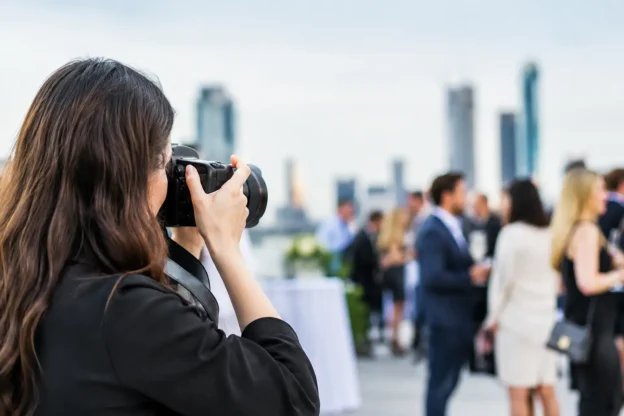
A photograph from a public parade, sporting fixture or royal occasion may look ready to use. Event image permissions determine whether it can actually support your article, campaign, brochure, social post or wall display. The answer is rarely found in the image alone. It depends on where it was taken, what it shows, how it will be used and the terms under which it is licensed.
For publishers, designers and marketers, the practical point is simple: confirm the intended use before downloading or buying. A strong event photograph can add authority and specificity to a page, but using it outside the permitted licence can create avoidable cost and delay.
Event Image Permissions Start With the Intended Use
The first distinction is between editorial and commercial use. Editorial use covers material that informs, reports, comments on or illustrates a genuine editorial context. A news article, book, documentary, magazine feature or factual blog post may fall into this category. The image should be relevant to the subject and used with accurate context.
Commercial use is broader and usually carries more restrictions. Advertising, product packaging, paid social campaigns, corporate brochures, direct marketing and endorsements are commercial uses. If a recognisable person appears in an event image, commercial use may require a model release. If the image includes a privately owned building, artwork, distinctive interior or venue branding, further permissions may also be needed.
The difference is not always obvious. A travel publisher using an image of a festival to illustrate a destination guide may have an editorial use. A hotel using the same image to sell weekend breaks is using it commercially. The photograph has not changed, but its purpose has.
Licensing Is Not the Same as Permission
When you license a stock image, you receive defined rights from the copyright holder or their authorised agent. That licence explains what you may do with the file: for example, use it online, in print, in an editorial publication or in a marketing campaign. It does not automatically provide every clearance connected to the subject in the photograph.
This matters particularly for event photography. A licence may cover the photographer’s copyright while leaving restrictions around people, venue access, trademarks or third-party artwork. Buyers should read the licence category and any caption notes before committing an image to a campaign.
A useful working rule is that copyright permission concerns the photograph itself. Event image permissions can also concern the people and property shown within it. Both need to fit the planned use.
For straightforward editorial projects, a properly licensed image with an accurate caption will often be the appropriate route. For promotional activity, do not assume an editorial image can be repurposed simply because it is available to buy. Ask for a commercial-use confirmation where the use is unclear.
Venue Terms Can Change What Is Allowed
Many events take place in locations with their own photography rules. Concert halls, sports grounds, exhibitions, museums, private estates and ticketed attractions may set conditions of entry that restrict commercial photography, filming, resale or accreditation use. Media access can also be subject to terms that limit where photographs may appear.
A press pass is not a blank cheque. It may permit coverage of a specific fixture or event while prohibiting image use in advertising, merchandise or unrelated promotion. Sports organisers are especially likely to impose conditions around live coverage, sponsors and commercial exploitation.
For buyers, this means checking the image source and licence rather than relying on assumptions about public access. A crowd scene taken from a public street may have a different clearance position from a photograph taken inside a restricted venue. There is no single rule for every event.
Recognisable People Need Careful Treatment
People attending an event do not automatically sign away their privacy or publicity rights. In the UK, photography in public places is generally permitted, but the way an image is used can alter the risk. Context matters as much as visibility.
Editorial photographs commonly show crowds, performers, officials and public figures without individual model releases. This is often workable where the use is factual and does not imply that the people pictured support a product, service or message. Captions should remain accurate and respectful, especially where an image shows a sensitive occasion, protest, accident or medical situation.
Commercial use is different. If an identifiable individual becomes the apparent face of an advertisement, a release is normally the safer requirement. The same applies where a social media post, website banner or brochure could suggest endorsement. Avoid relying on a broad crowd image if one person is prominent and your campaign is promotional.
Extra caution is sensible with children. Even where photography was lawful, commercial use involving identifiable minors should be assessed carefully and supported by appropriate releases. Buyers should also avoid images that could place a child in an unsuitable, misleading or distressing context.
Brands, Artwork and Private Property
Event scenes often include more than people. Sponsor boards, vehicle liveries, shop signs, artwork, costumes and architectural features can all appear in the frame. Their presence does not necessarily prevent editorial use, but it may affect commercial use or create a false impression of sponsorship.
For example, an image of a marathon runner passing a clearly branded installation may be suitable for a report on the race. It may be unsuitable for an unrelated advert if the brand appears to endorse the advertiser. Similarly, a photograph taken at an art fair may contain copyrighted artwork as a major subject, not merely background detail.
Property releases are most relevant when a recognisable private property or interior is central to a commercial image. They are less likely to be needed for ordinary city views or incidental buildings, but landmarks, venues and contemporary architecture can have their own restrictions. Where the property is the focus of a campaign, check before publication.
A Practical Check Before You Buy
A fast image search should not lead to a rushed rights decision. Before licensing event photography, establish four points: the planned use, the licence offered, whether identifiable people or protected property are central to the image, and whether the event or venue imposed special terms.
Then consider distribution. A small editorial feature, a national advertising campaign and a framed print for a reception area do not carry the same exposure. Print runs, paid promotion, territory, duration and social advertising can all affect the licence needed.
Keep a record of the image reference, licence terms, invoice, caption and any written permissions. This is particularly useful when assets are passed between an editor, designer, marketing team and client. It also prevents a familiar problem: an image first bought for a blog post later appearing in a paid campaign without a new rights check.
If the image will be supplied to a client, agree who is responsible for licensing and whether the client may reuse it. A designer’s permission to place an image in one layout does not necessarily give the client unrestricted access to the file for future projects.
Editorial Images and Wall Art Are Different Decisions
Event photographs can work exceptionally well as wall art. A ceremonial procession, a historic sporting moment or a distinctive London street scene has decorative value as well as documentary interest. But purchasing a physical print is not the same as licensing the digital image for publication, and licensing a digital image does not automatically grant the right to make and sell prints.
For personal display, hospitality interiors or office spaces, buy the print or obtain a licence that specifically covers the required reproduction. For resale, merchandise, large-scale décor or repeated production, request terms that match the project. Clear usage information protects both the buyer and the photographer.
Prestige Pictures provides event and location-based imagery for buyers who need a direct route to licensed photographs or ready-to-hang prints. The most efficient choice is to select the image format and licence for the actual job, rather than trying to stretch one purchase across unrelated uses.
When to Ask Before Using an Image
Ask the supplier for clarification when a person is clearly identifiable in an advert, a venue or organiser is central to the image, visible branding could imply endorsement, or an event was ticketed, accredited or privately hosted. Also ask where an image is intended for packaging, merchandise, paid social advertising or resale.
A short question before publication is usually quicker than replacing creative after it has been approved. Provide the proposed medium, territory, duration, print quantity and whether the image will be altered or combined with copy. That gives the supplier enough information to confirm the appropriate route.
Good event photography captures moments that cannot be recreated. Treat the rights check as part of the selection process, and you can use those moments with confidence, clarity and the licence that genuinely fits the work.