A strong photograph of a landmark, hotel interior or private home can be commercially useful, but the image itself is only part of the clearance picture. Knowing when are property releases needed helps buyers choose the right licence and helps photographers avoid supplying an image for a use it cannot support.
A property release is written permission from the owner or authorised controller of a recognisable property. It records that the property may be photographed and used under agreed terms. In stock photography, it is primarily a practical clearance document: it gives an agency, publisher or advertiser confidence that a commercial use has been considered and approved.
When are property releases needed?
A property release is most commonly needed when a recognisable private property is central to an image and the photograph will be used commercially. Commercial use includes advertising, promotional campaigns, product packaging, company brochures, paid social media adverts and other material intended to sell, endorse or market a product, service or brand.
For example, a kitchen manufacturer using a photograph of an identifiable private house to promote its products should usually have a release from the homeowner or the party with authority over the property. The same applies to a hotel lobby used in a travel company campaign, an architecturally distinctive office building used in corporate advertising, or a museum interior featured in a paid promotion.
The decision is not always determined by whether money changes hands. A book publisher may pay to license an image for an editorial article, while an organisation may use a free social media post as advertising. The real question is how the photograph is presented. Is it reporting, comment, review or documentary publishing? Or does it help market something?
A release may also be required by the location owner as a condition of access. A venue can allow photography on site while limiting where the resulting photographs may be used. That restriction may appear in a location agreement, event accreditation, ticket terms or a photography permit. Permission to take the photograph is not necessarily permission to license it for every purpose.
Editorial use and commercial use are not the same
Many images of buildings, public spaces, transport, events and locations can be licensed for editorial use without a property release. Editorial use covers factual publishing, such as news reporting, travel features, educational content, documentary work and commentary. Captions and surrounding copy should accurately describe the subject and avoid suggesting that a property owner supports the publication or its message.
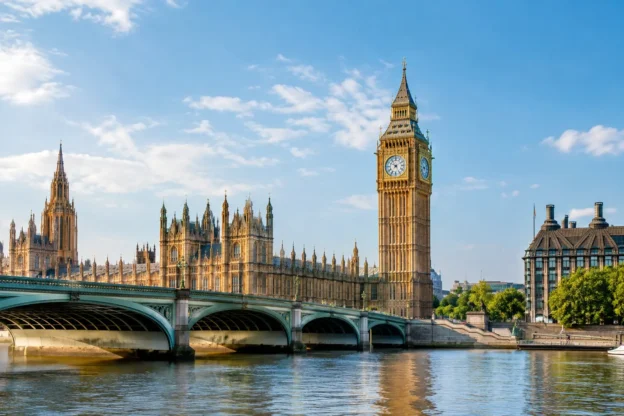
A photograph of a London streetscape, a public procession or a historic building may therefore be suitable for an article, magazine feature or documentary website without a release. It may not be suitable for an advert, insurance leaflet or promotional poster without further checks.
This distinction matters particularly when sourcing archive and event photography. An image can be visually ideal, properly licensed and still restricted to editorial use. Buyers should not assume an editorial licence permits placement in a marketing campaign simply because the photograph does not include people.
Publicly visible buildings
Photographs taken from a public place are often easier to use, but public visibility is not a universal commercial clearance. In the UK, copyright law includes an exception that generally permits photographs of buildings and certain works permanently situated in public places. That can make a straightforward exterior cityscape suitable for many uses.
However, the wider context still matters. A highly distinctive building may be protected by trade marks, private terms, separate intellectual property rights or rules against implying endorsement. Some modern landmarks, illuminated displays and artistic features have specific restrictions. If the property is the main selling point of an advert rather than an incidental part of a wider scene, obtain specialist advice or a release where appropriate.
Private homes, gardens and estates
A private home is one of the clearest cases for a property release, especially if it is recognisable. Exterior images can reveal the address, architectural character, garden layout or other details that make the property identifiable. Interiors bring further issues because they may include commissioned artwork, design features, family photographs, logos or personal possessions.
Permission should come from the owner or an authorised representative, not simply from a tenant, guest or estate agent unless they have authority to grant the requested rights. If the house has changed hands since the image was taken, check whether the original release is broad enough for the intended licence and whether any privacy concerns remain.
Interiors, venues and rented locations
Hotels, restaurants, galleries, theatres, stations, sports grounds and heritage sites are frequently photographed under controlled conditions. Their owners may have policies covering tripods, professional shoots, visitor photography, flash, drones and commercial licensing. A location release or written confirmation is often the sensible route where the interior is identifiable and the proposed use is promotional.
A wide photograph of a generic dining room may create limited risk, while a recognisable signature bar, branded reception desk or protected exhibition will need more careful clearance. For museums and galleries, the artwork on display can be as significant as the room itself. Clearance from the building owner does not automatically clear copyright in paintings, sculptures, installations or temporary exhibitions.
Property releases for wall art and prints
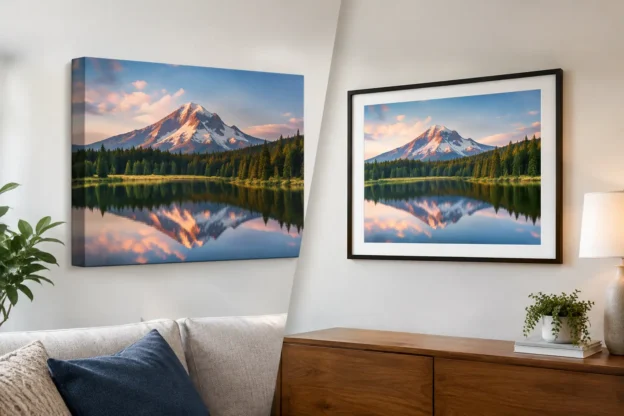
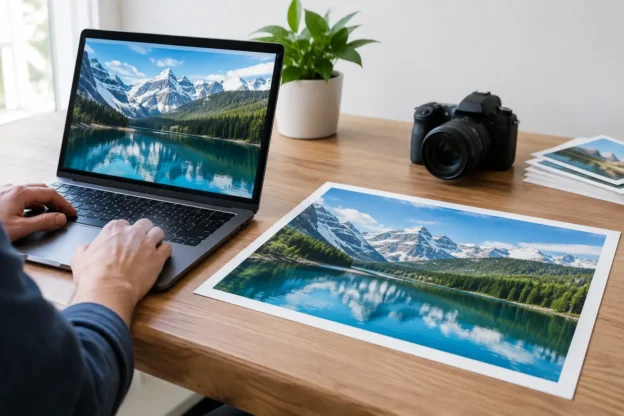
Selling a photograph as wall art is not identical to using it in an advertisement. A print is generally a product featuring the photograph, rather than a claim that the property owner endorses the buyer’s business. Even so, commercial print sales should be assessed carefully where the subject is a private property, an interior, a restricted location or a protected work of art.
The risk tends to be lower for broad landscapes, streetscenes and conventional exterior views of publicly visible buildings. It may be higher when the print focuses tightly on a recognisable private house, a venue with explicit photography restrictions, or a feature whose design or artwork carries separate rights.
For customers buying decorative prints, the key point is simple: use the print for display as supplied. Do not scan, reproduce, use it in promotions or turn it into a commercial campaign unless the licence specifically permits that use. A wall art purchase and an image licence serve different purposes.
What a useful property release should cover
A release should identify the property clearly, name the owner or authorised signatory, and confirm that they have authority to grant permission. It should state what is being authorised: photography, filming, licensing, advertising, editorial publication, print sales or a defined combination of these.
It should also record whether the permission is worldwide, perpetual, exclusive or non-exclusive. Most stock releases are non-exclusive and allow continued licensing, but the wording must match the arrangement. If a client has paid for a one-off campaign or requires exclusivity in a sector, a standard release may not be enough.
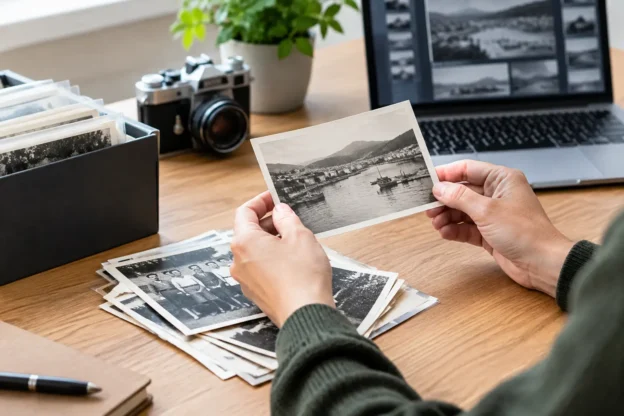
Keep the release with the original image files and retain supporting information, including shoot dates, location details and any venue correspondence. Clear records are particularly valuable when an image is licensed years later for a larger campaign.
A practical check before licensing an image
Before selecting an image for commercial use, identify the main subject. If a recognisable property, interior or artwork is central to the composition, ask whether a release exists and whether it covers the planned use. Next, review the licence category. Editorial-only images should remain in editorial contexts unless further permission is obtained.
Then consider what the finished layout says to the viewer. An image beside neutral travel reporting is very different from the same image next to a slogan, logo and call to purchase. Context can create an implied association even where the photograph was lawfully taken.
Prestige Pictures provides a practical route for buyers who need location-led and documentary imagery without a subscription commitment, but the buyer should still match each image licence to the intended use. If a campaign involves high visibility, paid advertising, sensitive properties or an uncertain clearance position, obtain written confirmation before artwork goes to print.
Common situations that need extra care
Some subjects are routinely more complex than they first appear. These include theme parks, retail centres, airports, railway premises, military locations, sports venues, privately managed public spaces and properties carrying prominent logos. Event credentials and venue rules can place limits on promotional use even when an image looks like a straightforward public scene.
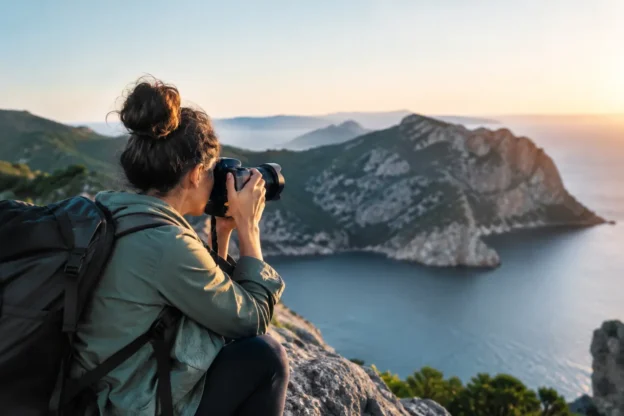
Drone photographs deserve separate attention. Airspace rules, privacy expectations and landowner restrictions can all affect how an image was obtained and used. A release for the property may not resolve every issue, and a lawful flight does not automatically create unrestricted commercial licensing rights.
The same applies when a property release and a model release overlap. A photograph of a person inside a recognisable boutique hotel may need permission from both the person and the venue for commercial advertising. One release does not replace the other.
When clearance is uncertain, choose an alternative image, crop out the recognisable feature, use the picture editorially, or seek written permission. The fastest image purchase is still the one that can be used with confidence.